The honest answer is yes — but only if you know what you’re getting into. Here’s what summer in Sedona is actually like and how to make the most of it.
Sedona has a reputation problem in summer. The temperatures climb into the 90s. The spring and fall travel crowds that define the destination’s peak season largely disappear. And travel writers tend to steer people away, framing summer as the season to avoid.
That reputation isn’t entirely wrong. Summer in Sedona is genuinely hot, and visitors who show up unprepared — planning a midday ridge hike in July without enough water, say — can have a rough time. But the reputation undersells what summer actually has to offer: lower prices, quieter trails in the early hours, spectacular monsoon skies, and the full magic of the red rock landscape without the spring crowd crush.
The key is adjusting your rhythm. Sedona in the summer rewards travelers who think like the desert does — active at the edges of the day, slow and restorative in the heat of it.
Here’s everything you need to know.
What Summer in Sedona Actually Feels Like
Sedona sits at roughly 4,350 feet of elevation. That matters more than it might sound. While Phoenix — just two hours south — bakes in 110°F summer heat, Sedona’s elevation shaves a meaningful 10 to 15 degrees of those temperatures. Daytime highs in June typically reach the low 90s. July and August, the hottest months, average in the low-to-mid 90s, with occasional days touching 100°F. Nights cool down reliably into the mid-60s, which means mornings are genuinely pleasant.
The other defining feature of Sedona’s summer is the monsoon season, which typically runs from early July through mid-September. Monsoons in this part of Arizona follow a reliable daily pattern: clear, hot mornings give way to building afternoon clouds, which often produce dramatic thunderstorms by mid-to-late afternoon. The storms are usually brief — an hour of intensity followed by clearing — and they bring something extraordinary: the light after a monsoon in Sedona, with wet red rocks glowing against a purple-gray sky and a double rainbow arcing over Cathedral Rock, is one of the most stunning natural spectacles in the American Southwest. Photographers who know about this fly in specifically for it.
💡 Outbound Tip: The monsoon pattern is your friend if you plan around it. Mornings are for hiking. Afternoons are for poolside, galleries, restaurants, and spa time. Early evenings, after the storm clears, are for the best photographs of your life.
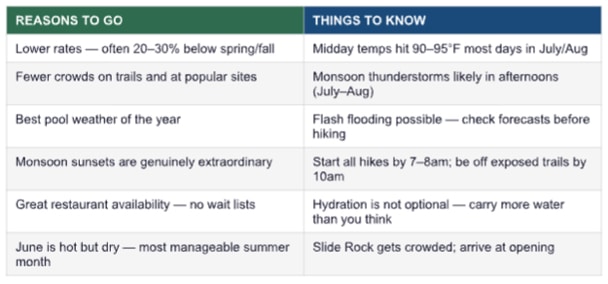
The Honest Pros and Cons
REASONS TO GO THINGS TO KNOW
How to Structure Your Days
The golden rule of summer in Sedona: treat 10am to 4pm as indoor hours. Everything between sunrise and mid-morning is fair game for outdoor activity. Everything after 4pm begins to recover. The middle of the day belongs to air conditioning, a good meal, and rest.
This isn’t a hardship. It’s actually a rhythm that suits a lot of travelers much better than they’d expect — particularly people who find the pressure of a full itinerary exhausting. In summer, Sedona forces a pleasant sort of pacing on you.
Early morning (6–10am): Get outside
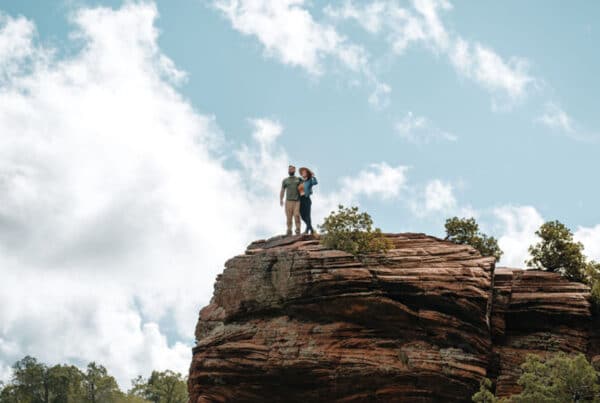
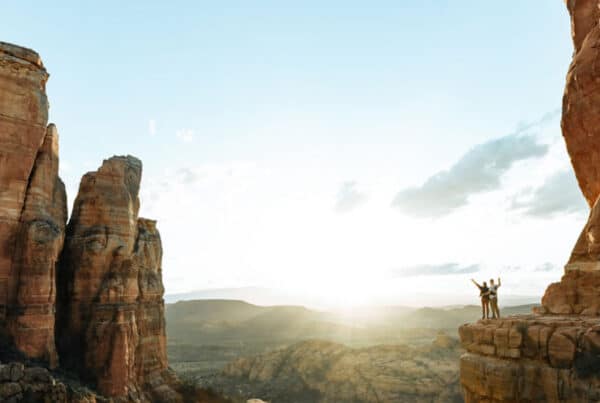
This is your window, and it’s a beautiful one. Sedona in the early morning in summer — before the heat builds, with the red rocks in the low-angle light of a desert sunrise — is genuinely spectacular. Aim to be on the trail by 7am at the latest, earlier if you’re planning anything ambitious. Bell Rock, Cathedral Rock, and the Airport Mesa loop are all manageable in the early morning heat; just carry significantly more water than you think you need and turn back if you’re not feeling strong.
The Sedona Wetlands Preserve near Bubbling Ponds is an underrated early-morning spot in summer — a lush, shaded riparian area that feels remarkably cool even when temperatures are climbing, and one of the best bird-watching sites in northern Arizona.
Midday (10am–4pm): Embrace the indoors
This is not wasted time. Sedona’s midday summer hours are an invitation to explore the parts of the destination that get short shrift during peak season, when visitors are too focused on fitting in another hike.
The gallery scene in Uptown Sedona and Tlaquepaque Arts & Shopping Village is legitimately excellent — Tlaquepaque, in particular, is a beautiful outdoor-indoor space modeled on a traditional Mexican village, with some of the finest art galleries and craft studios in Arizona. It’s designed for leisurely browsing, and summer middays are when you can do that without competing for space.
The Sedona Heritage Museum on Jordan Road is air-conditioned, genuinely interesting (Sedona has a remarkable film history — over 80 westerns were shot in the red rocks from the 1920s through the 1970s), and usually quiet in summer. Wine tasting at one of the Verde Valley wineries, 15 to 20 minutes south of Sedona near Cornville and Page Springs, is another excellent midday option — the tasting rooms are cool and unhurried.
💡 Outbound Tip: Book a spa appointment in the middle of a summer day. Outbound Sedona has its own spa so you don’t even have to leave the property. Check out The Spa at Outbound Sedona for more details.
Afternoon and evening (4pm onward): Comeback hours
By 4 or 5pm, the heat is breaking. If a monsoon has passed, the air feels scrubbed clean and the light goes golden fast. This is when you head back outside — a sunset hike to Airport Mesa, a walk along Oak Creek, a return to Cathedral Rock for the evening photography light. Sedona’s sunsets over the red rocks are legitimately one of the best free shows on earth, and summer’s monsoon cloud formations make them even more dramatic than usual.
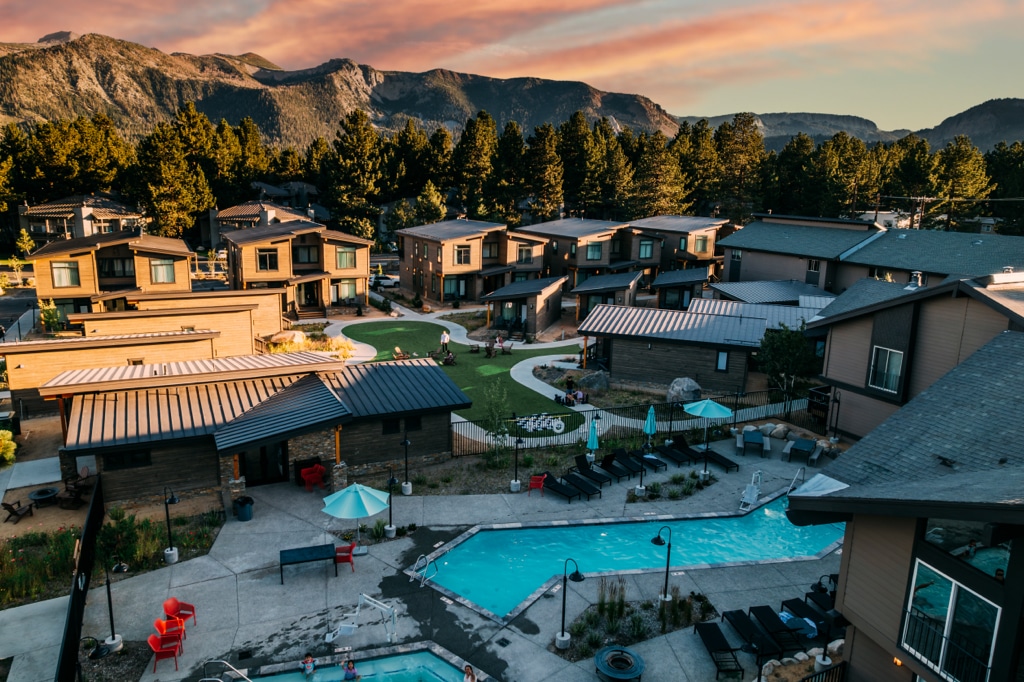
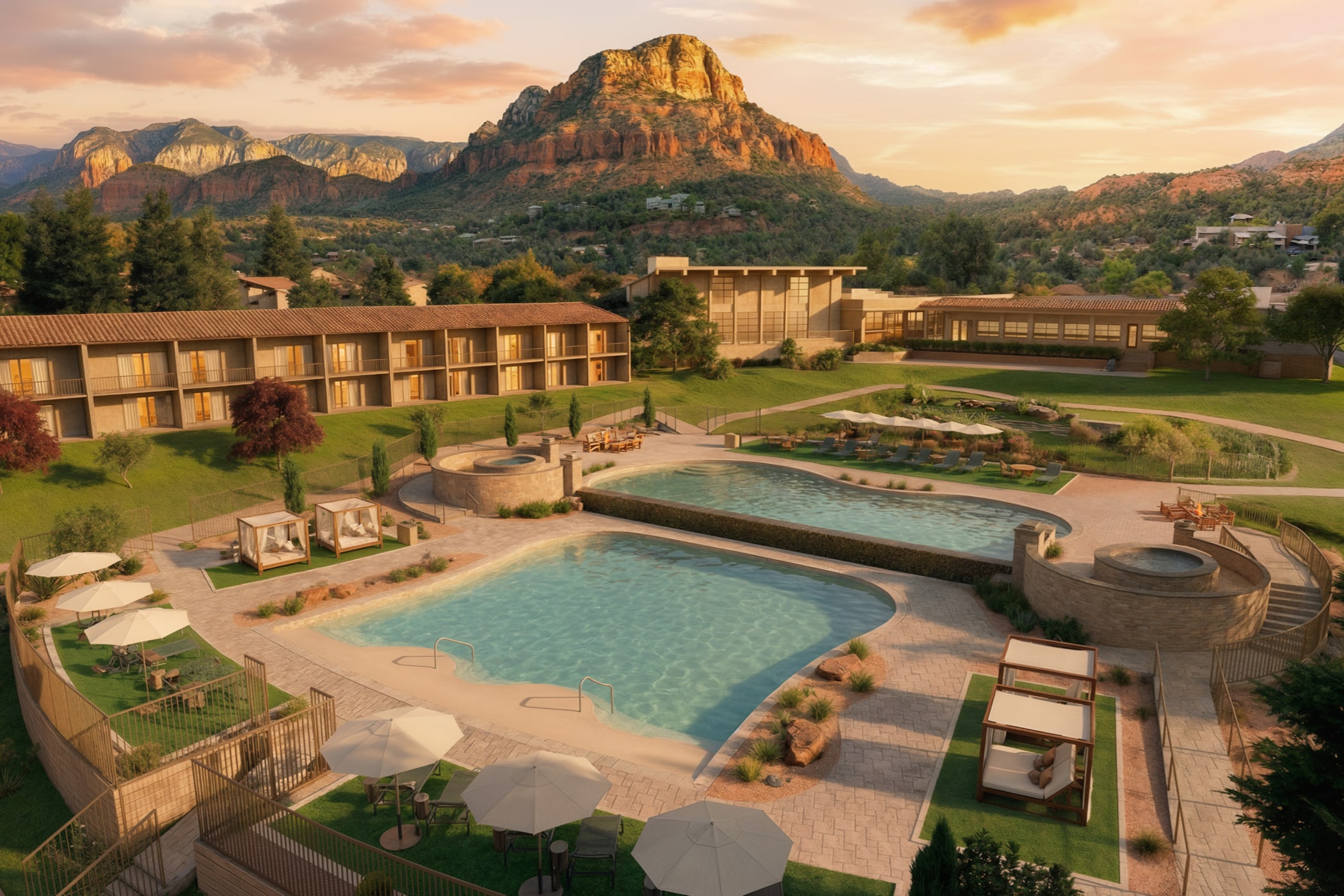
Not up for another hike? There’s plenty to enjoy at Outbound Sedona, perhaps an afternoon chill by our Moonwater pool right in time for happy hour followed by dinner at our Lucida Desert Kitchen and Bar. Defined by brightness and clarity, our kitchen leans into fresh, wild, seasonal ingredients that reflect the desert’s own palette. Expect high-desert fare with low-key vibes, from shareable bites and bright salads to comforting plates inspired by the land around us.
Summer’s Best Activities in Sedona
Slide Rock State Park
This is the thing to do in Sedona in summer, and the appeal is obvious: a natural sandstone waterslide in Oak Creek, naturally refrigerated by the water flowing off the Colorado Plateau. The main slide stretches 80 feet down algae-covered rock into a cold, clear pool. It made the Travel Channel’s list of the top ten swimming holes in the US, and on a 95-degree day you’ll understand why the moment you hit the water.
Arrive right at opening (8am in summer) to beat the crowds — Slide Rock gets busy by mid-morning and parking fills fast. The park is located 7 miles north of Uptown Sedona on Route 89A in Oak Creek Canyon, one of the most beautiful drives in Arizona.
Grasshopper Point
A quieter alternative to Slide Rock just south of the canyon, Grasshopper Point is a local favorite for swimming and cliff jumping (for those comfortable with it). The water is cold, the canyon walls are stunning, and it tends to be less mobbed than Slide Rock on peak days.
Oak Creek Canyon Scenic Drive
The drive north from Uptown Sedona through Oak Creek Canyon on Route 89A is one of the finest short scenic drives in the American Southwest — red and cream canyon walls, a rushing creek below, cottonwoods and pines creating a green canopy that keeps temperatures noticeably cooler than the open desert. Pull off at the canyon overlook at the top for the full panoramic view. In summer, do this drive in the late morning when the light is full in the canyon but before the afternoon heat peaks.
Stargazing
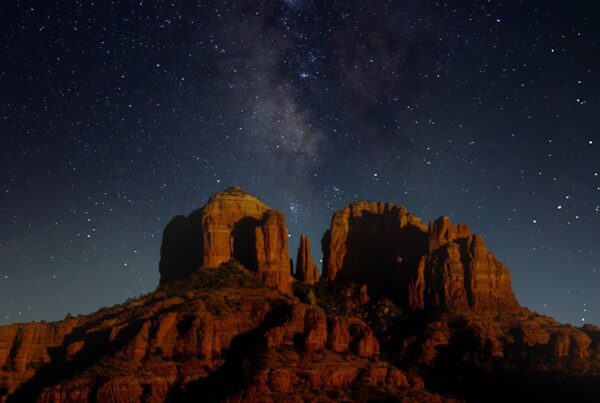
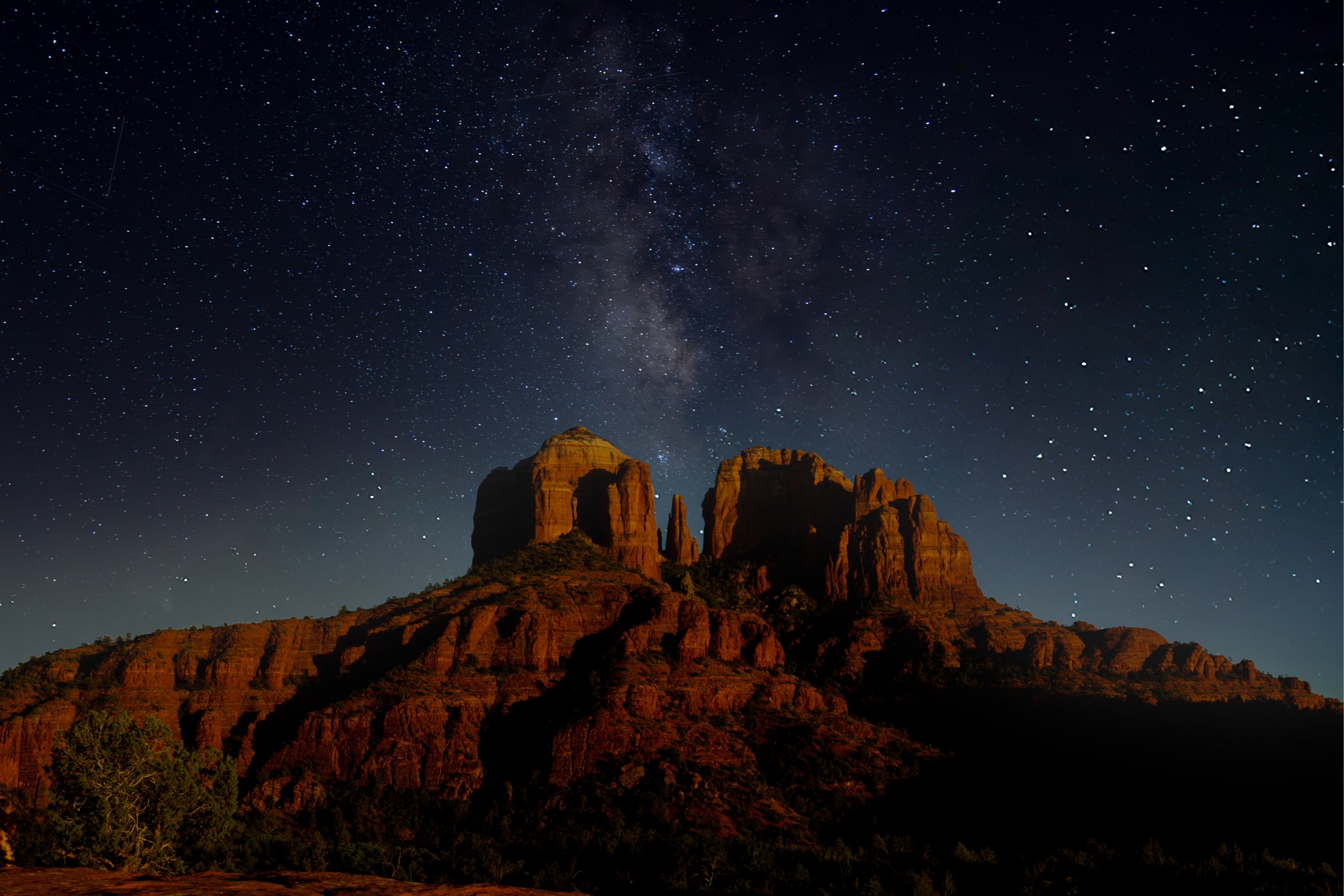
Sedona is consistently rated among the best stargazing destinations in the US, thanks to its dark skies, high desert clarity, and proximity to areas with minimal light pollution. Summer nights — when temperatures drop to the mid-60s by 10pm — are ideal for staying out late with a blanket and a clear view of the Milky Way. The Sedona area is working toward International Dark Sky designation, and several operators offer guided night sky tours for those who want more context for what they’re seeing.
Jeep Tours in the Early Morning
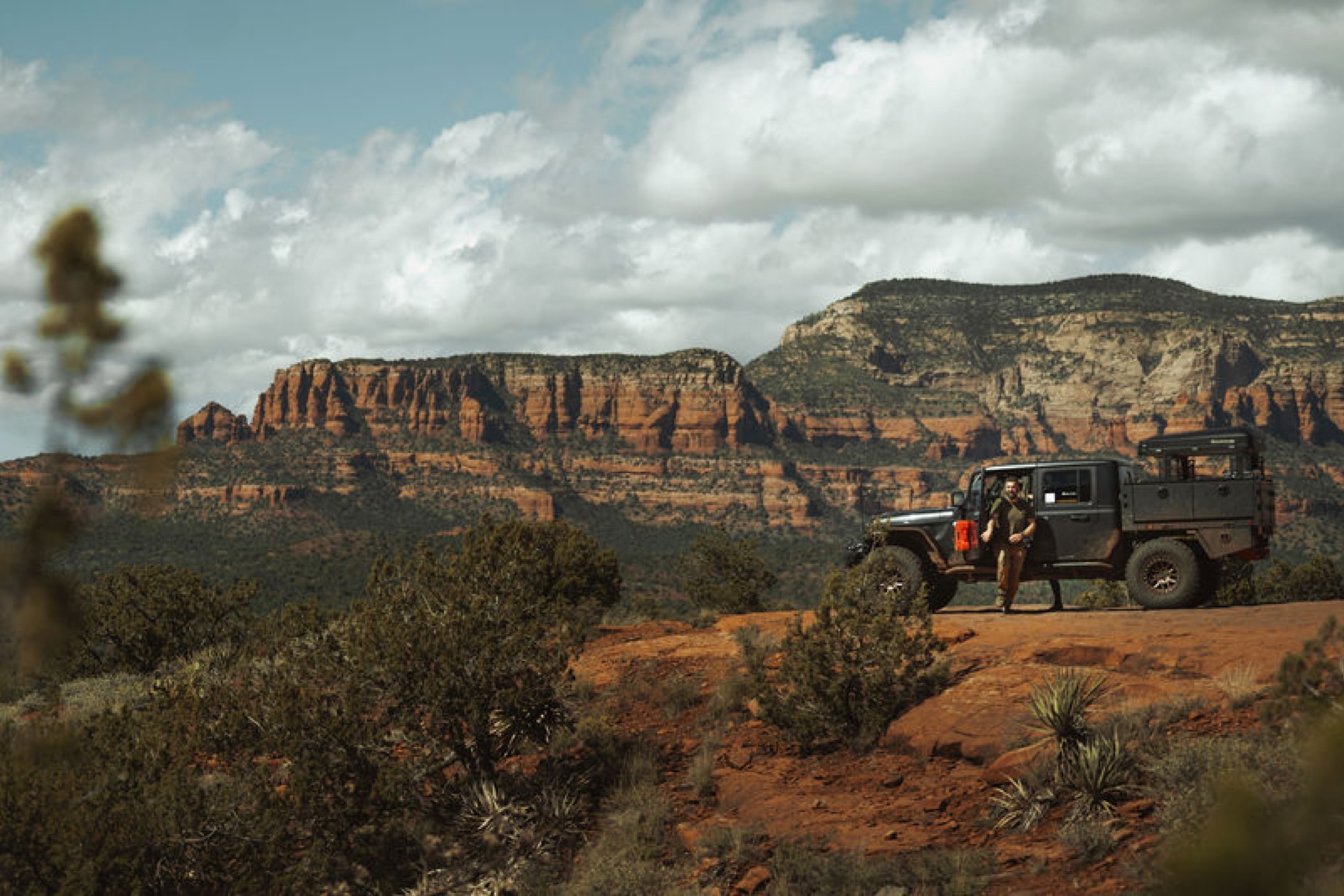
Pink Jeep Tours and other Sedona jeep operators run early-morning tours that get you out into the backcountry before the heat builds. This is one of the best ways to access formations and viewpoints that require a vehicle — Broken Arrow, Schnebly Hill Road, Diamondback Gulch — without committing to a midday hike. The early light on the red rocks from the back of an open jeep is hard to beat.
Month-by-Month: June vs. July/August
June: Hot but manageable
June is the least complicated summer month in Sedona. The monsoons haven’t arrived yet, so the weather is predictable: hot, clear, sunny, with cool nights. Daytime highs in the low 90s are serious but manageable with early mornings and proper hydration. Crowds are lower than spring but higher than July and August, and prices are already beginning to soften from the spring peak. If you want the summer experience without the monsoon uncertainty, June is the month.
July and August: Full summer — heat, storms, and magic
July is Sedona’s hottest month, with highs commonly reaching 93 to 96°F and occasional days touching 100°F. This is also when the monsoons arrive in earnest — afternoon thunderstorms are common from mid-July through August, and they are both a logistical consideration and a genuine spectacle. The storms bring flash flood risk, particularly in canyon areas — never enter a slot canyon or narrow wash when storms are visible on the horizon, and always check the National Weather Service forecast before hiking.
The upside: July and August have Sedona’s lowest hotel rates of the year, its quietest trails in the early hours, and its most dramatic skies. Visitors who plan well — early hiking, midday rest, late afternoon monsoon-watching, evening dining — frequently find July and August to be genuinely memorable visits.
💡 Outbound Tip: Download the Weather Underground or National Weather Service app before you arrive and check the forecast each morning. Monsoon conditions can develop quickly, and knowing what’s coming lets you plan your outdoor windows with confidence.
Who Summer in Sedona Is Right For
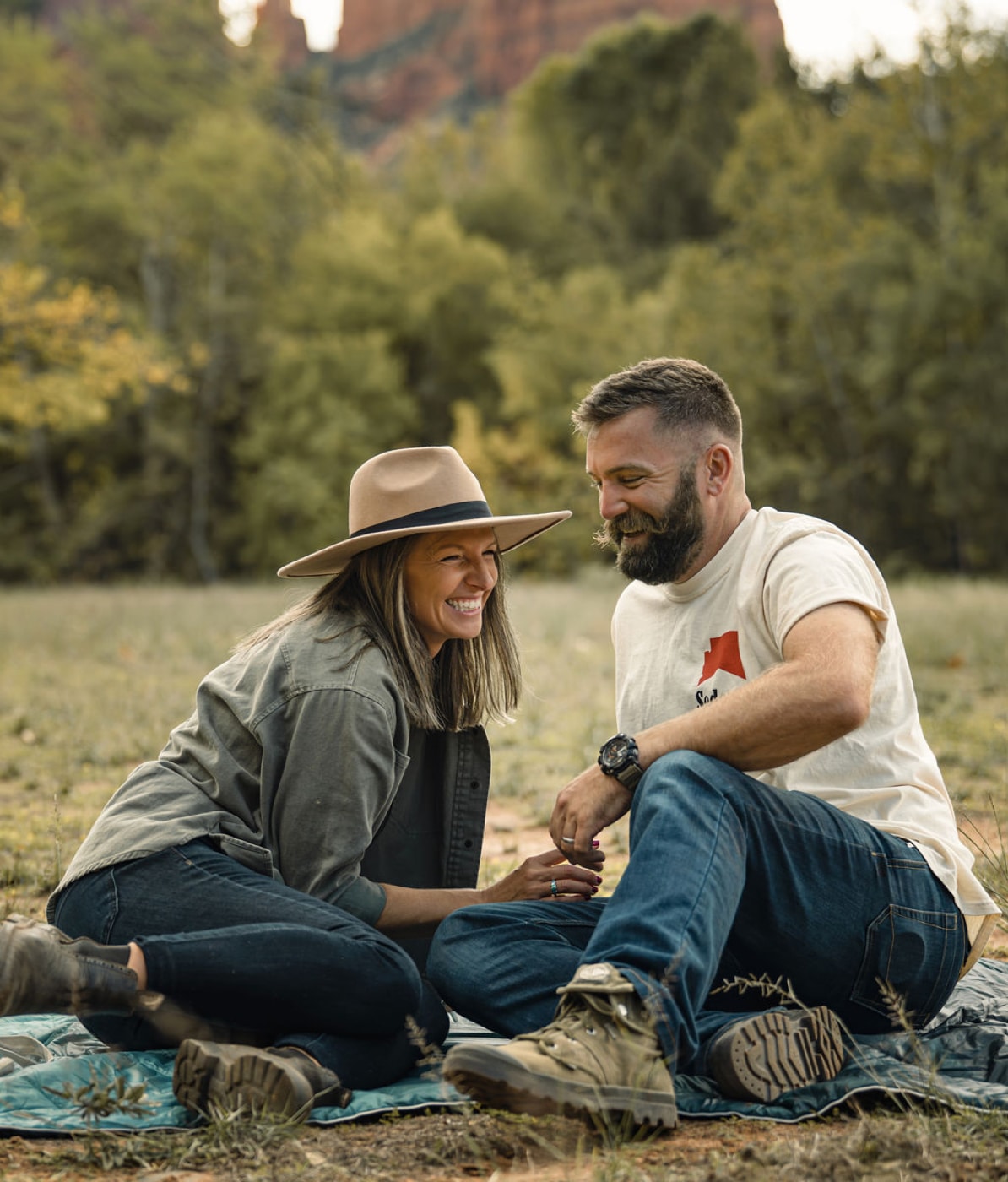
Honestly? Sedona in the summer is best suited to travelers who don’t have the flexibility to go in spring or fall and want to make the most of what’s available. It’s also a great choice for people who run hot (Sedona’s dry heat is far more tolerable than humid eastern summers), wellness-focused travelers who want spa time and afternoon restoration built into their schedule, and photographers who know about the monsoon light and are specifically coming for it.
It’s probably not the right call for families with young children who need full-day outdoor activity, serious hikers planning long or exposed trail days, or travelers who have no interest in adjusting their rhythm to the heat.
For everyone else: go in with clear expectations, plan your days around the desert’s pace, and you’ll likely find that summer Sedona has its own distinct appeal — quieter, more affordable, and with skies that peak-season visitors never get to see.
→ Book your summer stay at Outbound Sedona — your basecamp for early morning trails, afternoon pool time, and monsoon sunsets.