Winter is a sweet spot in Sedona. Daytime highs often land in the 50s and low 60s, nights dip near freezing, and the low sun turns every butte into sculpture. You get comfortable hiking, clearer views, quieter weekdays, and the chance of a fleeting snow dusting. Then you warm up with fire pits, a sauna, and a good meal.
Sedona averages 278 sunny days a year, sits around 4,500 feet, and sees 25 to 30 degree swings from day to night. That combination favors long, exposed hikes by day and cozy recovery at night. Winter shines in Sedona, and Outbound Sedona makes logistics easy.
The Short Answer: Why Visit Sedona in Winter?
Cooler temps, clearer light, and a calmer rhythm. Winter lets you hike exposed classics in comfort, catch saturated red rock color at sunrise and sunset, and stargaze under protected dark skies. Snow is possible but not guaranteed in town. Expect crisp mornings, mild afternoons, and quick temperature drops after sundown.
How to use this season
Aim big hikes midday, reserve twilight for viewpoints. Keep a warm layer and a headlamp in your daypack. Build in travel time for popular trailhead parking or shuttles if operating. Book dinner times earlier since nights get cold quickly.
1. Winter Light Deepens Red Rock Colors
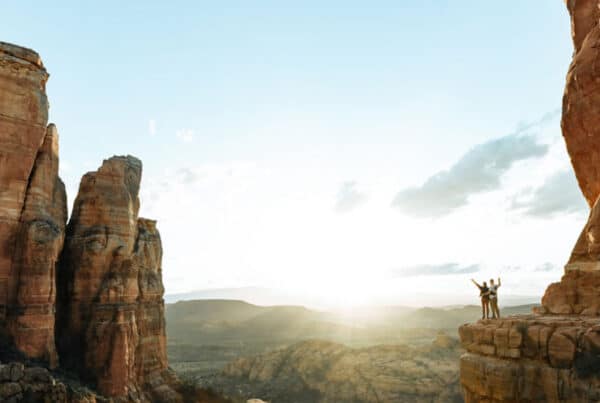
The sun rides lower in winter, which deepens shadows and pulls texture from every sandstone face. Colors read warmer, edges look sharper, and the air often holds less haze, so visibility pops. That same low light sets you up for stargazing once darkness falls, helped by Sedona’s International Dark Sky Community status since 2014.
Sunrise and sunset are worth the early alarm.
Where and when to catch it
For golden hour that rolls into stargazing, Aerie Trailhead and Fay Canyon put you on open benches with broad horizons. If your dates align, the Geminids in December can be a strong meteor show. Keep lights low, pack a warm layer, and bring a thermos.
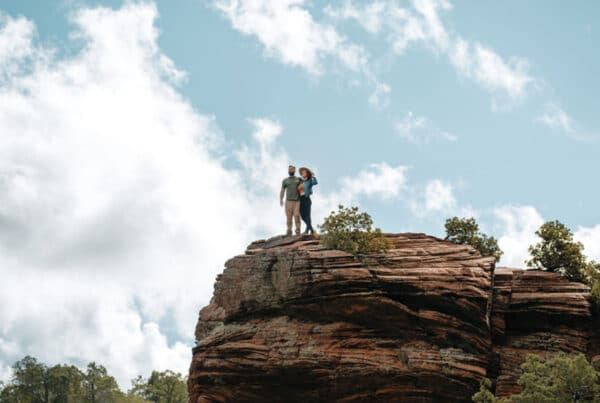
2. Cooler Weather Creates Ideal Hiking Conditions
Winter shifts exposed routes from survival mode to pleasant. Daytime highs in the 50s and low 60s let you move without the heat stress that is common in hotter months. Expect big temperature swings from day to night, so start cool, shed layers by mid-morning, then add them back as the sun drops.

Trail picks by effort
- Easy viewpoints: Bell Rock Pathway and Sugarloaf offer open terrain that breathes in cool weather.
- Moderate classics: West Fork turns photogenic in winter, with icicles along the creek edges when storms pass.
- Short and steep: Cathedral Rock is more manageable in cold air, but traction helps if the rock is frosty.
- Longer outings: Boynton Canyon layers red walls and winter shade, plan for chilly pockets and a warm midlayer.
3. Winter Brings a Calmer, More Relaxed Sedona
Outside peak holidays, winter often feels more relaxed than spring and fall. You still need early starts for the headliners, but weekday visits usually mean easier parking and a little more breathing room at trail junctions. Build in time for scenic drives, gallery stops, and a slow lunch without the peak-season rush.
Evenings tend to be unhurried. That rhythm pairs well with a spa session, a long soak by a fire pit, or just star watching after dinner. Use the season to stretch your days without over-scheduling.
4. Snow-Dusted Scenery Creates Unique Photo Opportunities
Sedona averages roughly 9 to 11 inches of snowfall a year, usually in a handful of storms between late December and early February. It can be a blink-and-you-miss-it event, often melting quickly once the morning sun hits exposed rock. That is why locals call it Snowdona.
The payoff is real, white snow on crimson sandstone with green pinyon and juniper. If a storm hits during your trip, pivot fast, photograph early, and expect mud by afternoon. Black ice can linger on shaded roads and lots after a melt-freeze cycle, so step carefully.
5. Cozy Evenings Complement Outdoor Adventure
Winter hiking feels brisk, then temperatures can drop 25 to 30 degrees after sunset, which makes the evening recovery half the fun.

Outbound Sedona leans into that pattern with contrast therapy and fire-lit spaces. The spa features a dry sauna and an outdoor cold plunge, designed for hot-cold cycles after a long day on trail.
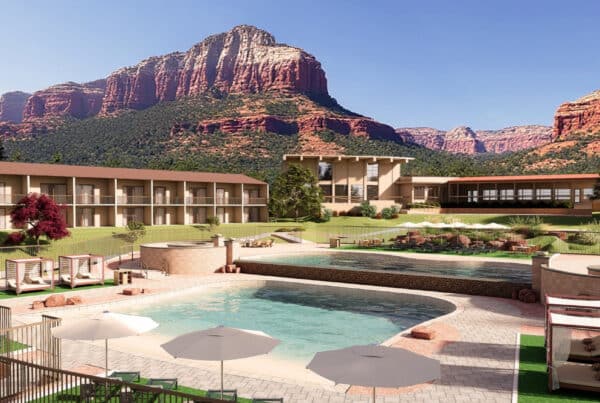
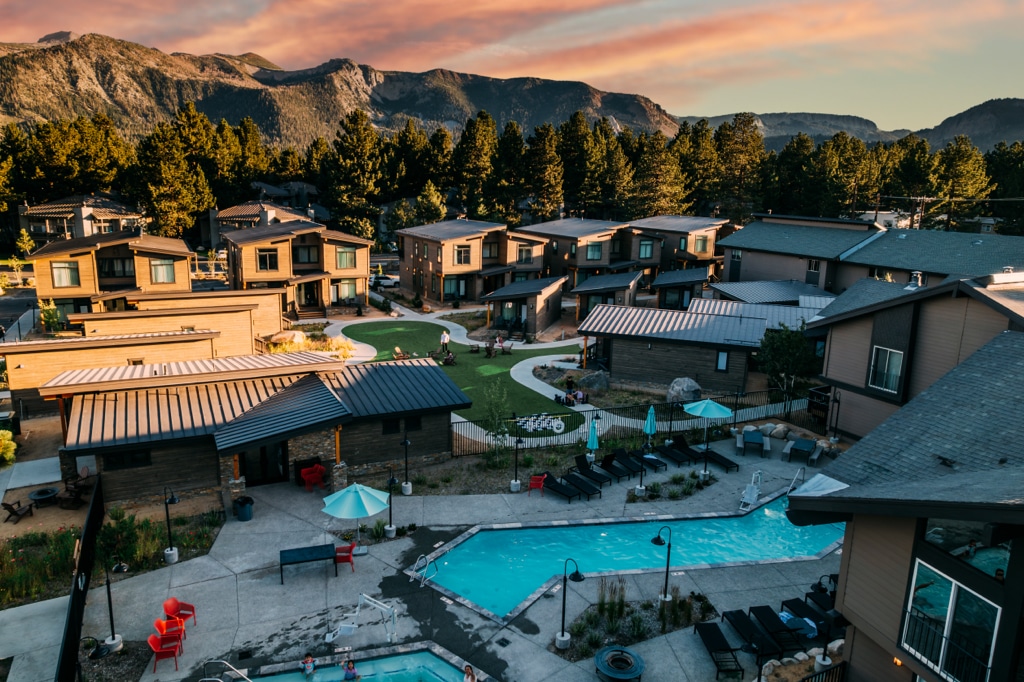
Moonwater Pool’s deck offers about 4,000 square feet with fire pits for lingering with a blanket and a warm drink. On select nights, Evening Ember Hours add DIY s’mores and easy Dark Sky stargazing. When you are refuel, Lucida Desert Kitchen + Bar serves hearty plates like mesquite salmon and a house-blend steakburger, a solid post-hike move.
If you prefer a private wind-down, book a fireplace room and watch the stars from your patio.
6. Outbound Sedona: The Best Winter Basecamp
Winter lodging should check five boxes: quick access to trailheads, spaces to warm up, on-site food, simple trip planning, and a calm social vibe. Outbound Sedona fits that list. The property brings modern comforts to a classic red rock setting.
You’ll find 137 renovated rooms and suites across the property, with configurations that include fireplace rooms for winter stays. On site, the Gear Garage helps with trail-ready essentials and route ideas, and the property serves as a stop for the complimentary Verde Shuttle, which removes a chunk of parking stress.

Booking tips
Look for weekday dates outside holidays for calmer trails. If stargazing is a priority, aim for a new moon. Choose a fireplace room or a patio-bungalow setup for easy in-and-out on chilly mornings. Book dinner at Lucida in advance on weekends.
FAQs
Does it snow in Sedona in winter?
Sometimes. Sedona averages about 9 to 11 inches of snow each year, often in a few storms. Snow can melt quickly in sun, so photography and sunrise laps are time sensitive.
What are typical winter temperatures?
December averages 57°F high and 31°F low, January 56°F and 31°F, February 61°F and 33°F. Expect sunny days and cold nights, so pack layers (Sedona Weather).
Do I need microspikes for winter hikes?
Not always, but they help after storms. North-facing slopes and shaded ledges can hold ice for days, especially on early starts. Pack light traction when the forecast shows recent snow or freeze-thaw.
Where should I stargaze?
Sedona is an International Dark Sky Community, designated in 2014. Aerie Trailhead and Fay Canyon are popular, open sites with broad horizons for winter constellations.
Conclusion
Winter in Sedona rewards planners who like long trail days and warm, social nights. You get mild hiking temps, crisp light for photography, quieter weekdays, and the occasional Snowdona morning.
Outbound Sedona ties it together with contrast therapy, fire pits, and hearty dining, along with rooms set up for cold-weather comfort. Ready to make this your winter basecamp in 2026?